
How to care for a septic system
Short answer
Care for a septic system by having it inspected at least every three years and pumped when it needs it, typically every three to five years. Use water efficiently and fix leaks. Flush only human waste and toilet paper, and keep grease, wipes and chemicals out of drains. Keep vehicles, trees and roof runoff away from the drainfield.
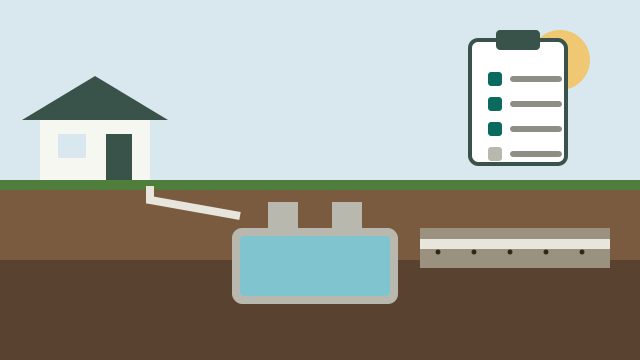
A septic system doesn't need daily attention, but it does need the right habits. The EPA's guidance boils down to four of them: get it inspected and pumped, go easy on water, watch what goes down the drain, and look after the drainfield.
Get it inspected and pumped
The EPA says a household system should be inspected by a septic service professional at least every three years. Its FAQ page puts it as every 1 to 3 years. Tanks are typically pumped every three to five years, but the real trigger is what's inside. The EPA says it's time to pump when:
- the bottom of the scum layer is within 6 inches of the bottom of the outlet,
- the top of the sludge layer is within 12 inches of the outlet, or
- sludge and scum make up more than 25 percent of the liquid depth.
Systems with float switches, pumps or other mechanical parts are different. The EPA says they generally need an inspection once a year, and recommends a service contract. Our pumping guide covers how to work out your own schedule.
Ask the professional to write down the sludge and scum levels at every visit, and keep those notes with your other septic records. If repairs come up, the EPA's advice is to have them done soon rather than waiting.
Use less water
Every gallon that goes down a drain ends up in the tank and then the drainfield. The EPA says one person can use as much as 70 gallons of water a day indoors, and a single leaky or running toilet can waste as much as 200 gallons a day. Fixing leaks is the quickest win.
A few changes the EPA suggests:
- Replace older toilets, which use 3.5 to 5 gallons a flush, with high-efficiency models that use 1.6 gallons or less. Toilets account for 25 to 30 percent of household water use.
- Fit faucet aerators and high-efficiency showerheads.
- Run the washing machine with full loads, or match the load size setting to the load.
- Spread laundry across the week instead of doing it all in one day.
Be careful what goes down the drain
The rule for toilets is short: flush only human waste and toilet paper. The EPA's list of things to keep out includes:
- cooking grease and oil
- non-flushable wipes, diapers and paper towels
- feminine hygiene products, condoms and dental floss
- cat litter, coffee grounds and cigarette butts
- medicines
- household chemicals such as gasoline, paint, pesticides and antifreeze
Sinks matter too. Never pour cooking oil or grease down the drain, and keep oil-based paints, solvents and large amounts of toxic cleaners out of it. For a clogged drain, the EPA says to skip chemical drain openers and use boiling water or a drain snake instead. Our drain cleaner guide has more options.
A garbage disposal adds food solids to the tank. The EPA advises limiting its use or avoiding it, and says a tank will need pumping more often if you use one.
Protect the drainfield
The drainfield, or leach field, is where the soil finishes treating the water, and it's easy to damage without noticing. The EPA advises that you:
- never park or drive on it
- plant trees at the distance a septic professional recommends, so roots stay out of the pipes
- send roof drains, sump pumps and other rainwater away from it
- check with a local designer or permitting authority before building anything on it
- never cover it with concrete, asphalt or another hard surface
What should grow there? The EPA suggests native grasses and ground cover rather than trees, shrubs or vegetable gardens, and Penn State Extension calls turf grass the safest choice. Our leach field maintenance guide goes further.
Do you need septic additives?
No. The EPA says additives are not necessary for a septic system to work properly on household wastewater, and that using them is not recommended. It warns specifically against additives made of organic solvents or strong alkali chemicals, which can harm the soil and groundwater. Regular pumping is the care that counts.
Know the warning signs
Good habits lower the risk of trouble, but they can't rule it out. Slow drains across the house, sewage odors, wet spots over the drainfield or sewage backing up indoors all need prompt attention. See the signs of a failing system, or use our symptom checker.
Stay safe
Never go into a septic tank or lean over an open one, and keep every lid secured. Leave opening the tank to a trained professional.
Rules vary by location
Your state or county may set its own rules for inspections, pumping records or work on the system, especially when a home is sold. Check with your local health department.
Quick answers
How often should a septic system be inspected?
The EPA says at least every three years for a typical household system. Its FAQ page says every 1 to 3 years. Systems with mechanical parts generally need a yearly check.
Can I use a garbage disposal with a septic system?
You can, but the EPA advises limiting it. Food waste adds solids, so the tank will need pumping more often.
Do I need to add anything to my septic tank?
No. The EPA says additives aren't necessary for a system treating household wastewater, and recommends against them.
Sources
- How to Care for Your Septic System, US EPA
- Frequent Questions on Septic Systems, US EPA
- Five Basic Practices to Protect Your Septic System, Penn State Extension
Read next
-
 How often should you pump a septic tank?
Most household septic tanks are pumped every three to five years. See what changes that schedule and how to tell when your own tank is due.
-
 How to maintain a leach field
Protect your leach field by pumping on schedule, limiting water and keeping vehicles and roots away. See a simple plan based on official guidance.
-
 Signs of a failing septic system
Sewage backups, slow drains, wet ground and odors can all point to a septic problem. Learn what each sign may mean and what to do first.