
Are water softeners septic safe?
Short answer
There isn't one agreed answer. Studies cited by the softener industry found that an efficient softener doesn't harm septic systems, while Rhode Island doesn't recommend sending brine to them and warns of poor settling. Most sources agree on some basics. Keep regeneration to a minimum, and check your state's rules and any aerobic unit's manufacturer guidance.

A water softener cleans itself with salty water, called brine, and that water has to go somewhere. In many rural homes, it goes into the septic system. Whether that's a problem depends on who you ask, so we've set out both sides.
What's the evidence that softeners are safe?
The Water Quality Association, a trade group for the water treatment industry, argues that efficient softeners cause no harm and may even help. Its 2019 paper cites:
- A 1978 NSF study that found no harm to home aerobic units
- A 1978 University of Wisconsin study that found no harm to tank bacteria or soil percolation
- A 2013 Virginia Tech study that found efficient softeners improved settling, while very inefficient ones produced poorer effluent
Virginia's health department took a similar line in a 1994 memo: discharge shouldn't harm a drain field up to 60 gallons per regeneration and 180 gallons a week.
What's the evidence that softeners cause problems?
Rhode Island's environmental agency doesn't ban the practice, but it doesn't recommend it either. It says brine can disturb settling in the tank and cut the room available to separate solids, which may let solids reach the leach field. Makers of the most common alternative systems there, it adds, prohibit or advise against brine.
The University of Minnesota says softener recharge water "does not need to go in the septic system." And in a 2007 commentary, an engineer at a treatment system manufacturer argued that brine harms both tanks and fields. His evidence was largely field observation, and his employer sells such systems.
What do both sides agree on?
Extra water is a concern. The Minnesota Department of Health says softener discharge could overload a system that's undersized or near the end of its life.
How can you reduce the risk?
- Set the softener to your actual water hardness and iron level.
- Regenerate no more often than you need to.
- Bypass the softener when you're away for a long time.
- Fix leaks, and keep sump pumps and roof drains out of the system.
- Have an existing system inspected, and consider an effluent filter on the tank.
- Pump more often if a professional advises it. Rhode Island suggests this if brine goes to the tank.
Aerobic and other alternative systems
Check with the manufacturer before sending brine to any advanced unit. Rhode Island's agency gives this advice, and the WQA and NOWRA guidance says to route brine away if the manufacturer requires it.
Where can softener brine go instead?
That's a local question. Indiana lists approved points that include the building sewer, a point after the tank, or a separate absorption field. Rhode Island prefers a below-ground drywell. Minnesota's rules for its noncommunity water systems allow certain soil or surface discharge, but set distances from wells. Don't assume another state's option is allowed where you live.
Rules vary by location
Softener discharge rules differ between states, and some counties add their own. Ask your local health department before you reroute a discharge line.
Sources
- WQA White Paper on Water Softener Brine Disposal to Septic Systems (2019), Water Quality Association
- Best Management Practices for the Discharge of Residential Water Softener Backwash Brine in Unsewered Areas (2012), Rhode Island Department of Environmental Management
- Water Softeners (2023), Minnesota Department of Health
- Water Softener Regeneration Discharge into Drainfields, GMP 57 (1994), Virginia Department of Health
- Water Softener Backwash and On-site Sewage Systems (2012), Indiana Department of Health
- Care and maintenance, University of Minnesota Onsite Sewage Treatment Program
- Guidance for the Use of Water Softening and Onsite Wastewater Treatment Equipment at the Same Site, WQA and NOWRA
- Water softener discharges do harm septic systems (2007 commentary), WaterWorld
Read next
-
 Is borax septic safe?
Normal household amounts of borax are unlikely to reach levels shown to harm microbes, but no official test settles it. See the evidence and how to use it.
-
 How often should you pump a septic tank?
Most household septic tanks are pumped every three to five years. See what changes that schedule and how to tell when your own tank is due.
-
 What is a leach field?
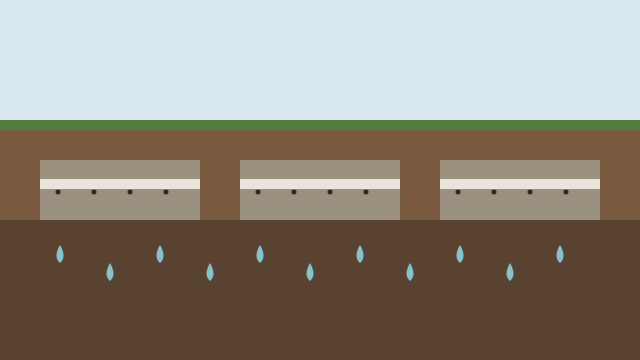
A leach field, or drain field, is the buried part of a septic system that spreads liquid into the soil for treatment. Learn how it works and what harms it.