
How does an aerobic septic system work?
Short answer
An aerobic septic system pumps air into wastewater so that oxygen-using microbes break down waste. Water usually passes through a pretreatment tank, an aeration chamber and a settling chamber, then disinfection and dispersal. Texas A&M says this removes 85 to 98 percent of organic matter and solids. It needs continuous power and regular service.
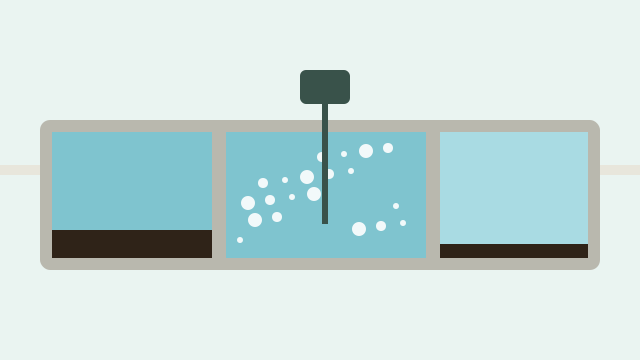
A conventional tank works without added oxygen. An aerobic treatment unit, or ATU, pumps air in on purpose, and the EPA compares it to a small municipal sewage plant.
What are the stages of an aerobic system?
Texas A&M describes four stages:
- Pretreatment. A trash tank holds back plastics and other solids that microbes can't break down.
- Aeration. An air pump pushes air through diffusers, and microbes use that oxygen to break down waste.
- Settling. In a clarifier, microbes and other solids settle out of the treated water.
- Final treatment and dispersal. The water is disinfected, stored in a pump tank and released, often through a spray field.
Not every unit follows that exact pattern. The EPA notes that pretreatment is optional in some, and that treated water can go to a subsurface leach field or, in some cases, the surface.
How clean is the water?
Cleaner than what leaves a septic tank, but still not drinking water. Texas A&M says the unit removes 85 to 98 percent of organic matter and solids, while an older EPA fact sheet reports 70 to 90 percent for suspended growth units.
How is it different from a regular septic system?
| Feature | Conventional | Aerobic |
|---|---|---|
| Oxygen | None added | Air pumped in |
| Electricity | Not always needed | Needed continuously |
| Service | Usually every few years | Regular, ongoing |
| Common use | Suitable soil | Small lots, poor soils, high water tables |
What can go wrong?
Most problems come back to the microbes. Texas A&M lists these weak points:
- Without enough air, the microbes can't survive.
- Grease, food waste, paper and excess water can overload the unit.
- Toxic cleaners can kill the microbes.
- Long stretches of low use, such as vacations, weaken them.
- Alarms for high water or low air pressure need prompt service.
For the upkeep side, read our guide to maintaining an aerobic system.
Quick answers
Does an aerobic septic system need electricity?
Yes. Texas A&M says it needs continuous electricity for the air pump.
Is aerobic better than a regular septic system?
It treats water to a higher level, but it costs more to run and needs more service. Often the site decides which one you need.
Stay safe
Treated water isn't safe to drink. Texas A&M advises against vegetable gardens in a spray field.
Rules vary by location
Whether you can use an aerobic system, and how it must be serviced, depends on your state and county.
Sources
- Aerobic Treatment Unit (L-5302), Texas A&M AgriLife Extension
- Decentralized Systems Technology Fact Sheet: Aerobic Treatment (2000), US EPA
- Types of Septic Systems, US EPA
Read next
-
 How to maintain an aerobic septic system
Aerobic septic systems need service at least yearly, and often more. See what owners check, what a provider does, and the chlorine mistake to avoid.
-
 How much does an aerobic septic system cost?
Published estimates for an aerobic septic system range from about $10,000 to over $40,000. See why they differ and what running one costs each year.
-
 How a septic system works
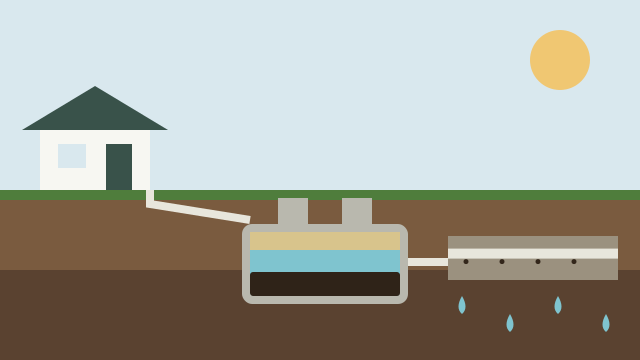
Follow wastewater from your house through the tank, leach field and soil, and see how a conventional septic system treats it underground.